
Environment Guide
Your skin does not live in a vacuum.
A routine should not be built only around age or skin type. It also has to account for where you live, where you work, and where you spend most of your day. The skin of a man commuting through New York does not face the same daily variables as someone working outdoors, living in a dry climate, or spending weekends near water.
The point is not to label one environment as good and another as bad. The point is to understand the tradeoffs, then adjust the routine without making it complicated.
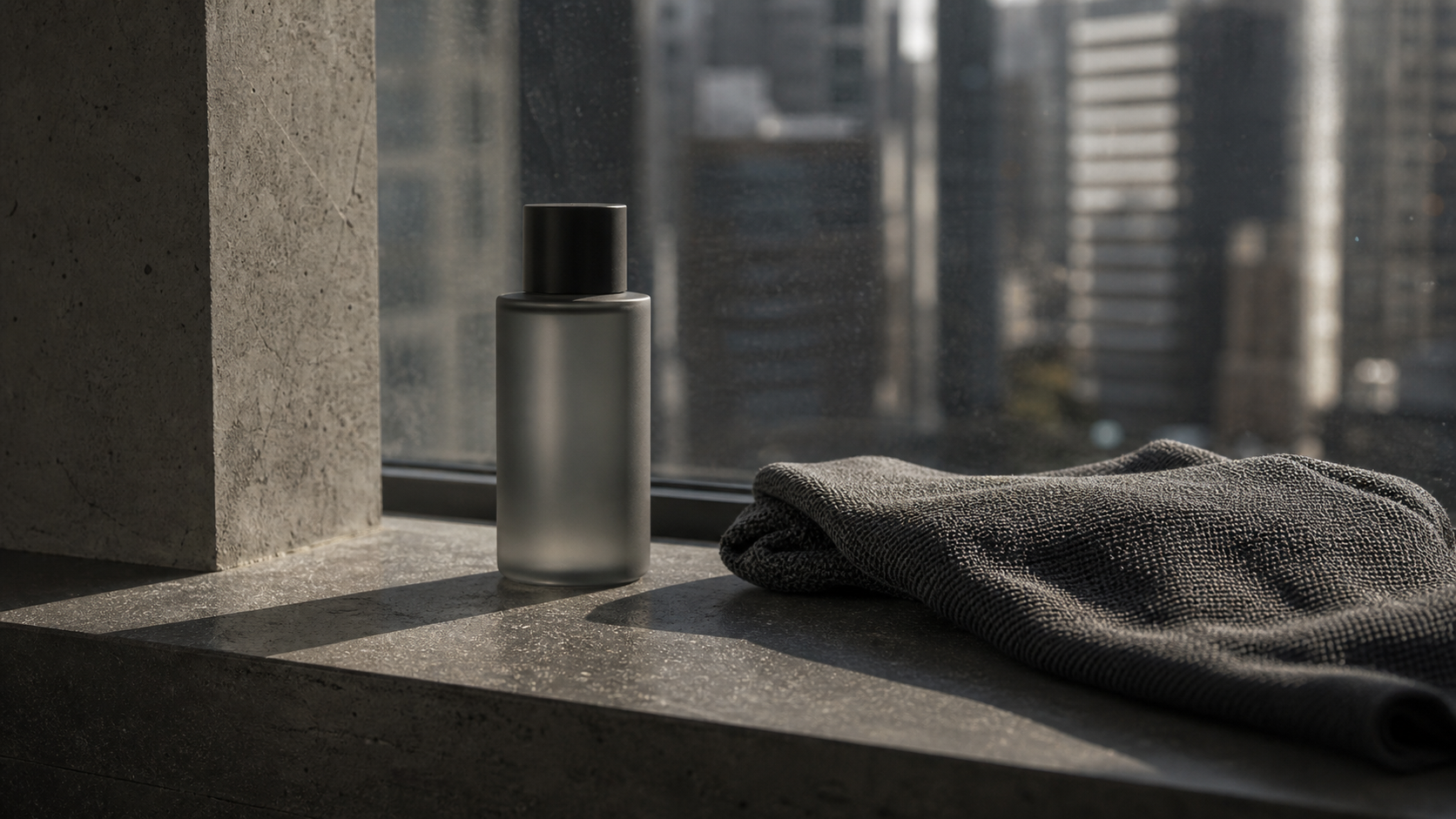
City life usually means more buildup
- Air particles and pollution. They can sit on skin with sweat, oil, and sunscreen by the end of the day.
- Indoor-outdoor shifts. Air conditioning, heating, wind tunnels, subway platforms, and office air can make skin feel dry or reactive.
- Reflected light. Glass, concrete, cars, and walking between buildings still add to UV exposure.
For city skin, the routine should focus on reliable cleansing at night, daily broad-spectrum SPF, and barrier support. If skin looks dull, uneven, or easily congested, ingredients like vitamin C, niacinamide, salicylic acid, or azelaic acid can make sense depending on the concern.
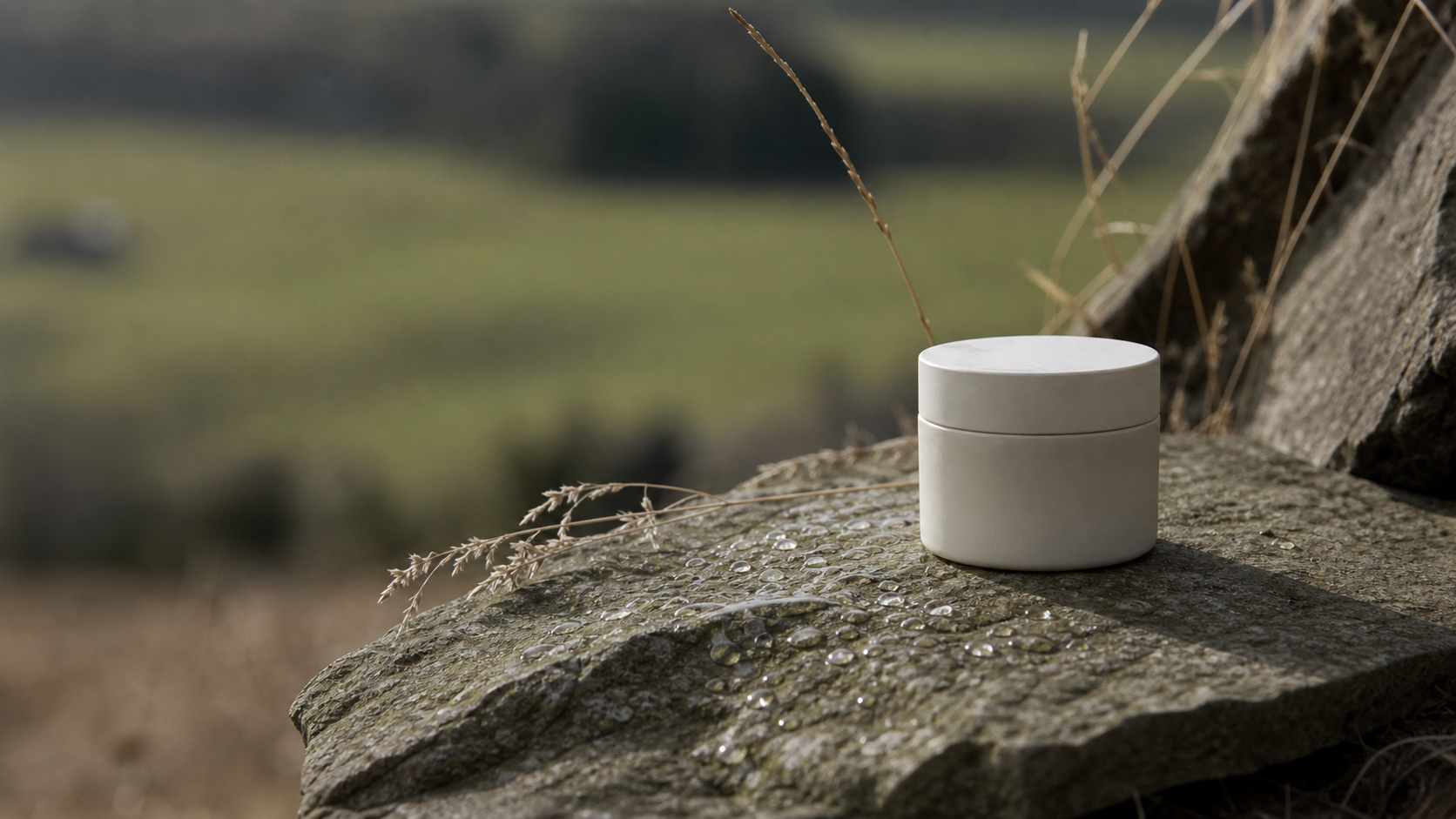
Countryside or outdoor life is not automatically easier
- More direct UV. Open sky, water, snow, and long outdoor hours can increase exposure.
- Wind and cold. These can increase dryness and make shaving or actives feel more irritating.
- Sweat, dust, and plants. Outdoor work or recreation can create friction, clogged pores, or irritation.
For outdoor or countryside skin, do not skip the city basics. Keep a gentle cleanser, moisturizer, and SPF. Then make the product choices more practical: water-resistant sunscreen for sports, richer moisturizer in wind or cold, and a calmer routine after heavy sun, sweat, or shaving.
Dense city
Cleanse well at night. Use SPF every morning. Add antioxidant or oil-control support if needed.
Dry climate / office air
Lean on moisturizer, ceramides, glycerin, and fewer harsh cleansing habits.
Humid climate
Keep textures lighter, cleanse after heavy sweat, and avoid over-layering.
Outdoor lifestyle
Prioritize SPF 50, water resistance, reapplication, and barrier recovery.
Cold / windy
Use richer moisturizer, protect after shaving, and introduce actives slowly.
Frequent travel
Keep a stable core routine. Do not test aggressive new products while traveling.
How to deal with it
Do not rebuild your entire routine every time your environment changes. Keep the base stable: cleanse, moisturize, protect. Then adjust one or two variables: sunscreen strength, moisturizer weight, cleansing frequency, and treatment frequency.
Key notes
- Your environment changes your routine needs, even if your skin type stays the same.
- City life usually demands better cleansing and antioxidant thinking.
- Outdoor life demands stronger SPF discipline and barrier recovery.
- Dryness, humidity, cold, wind, and sweat should change texture and frequency, not create chaos.
- A good routine is stable enough to repeat and flexible enough to adjust.
Read your environment first. Then build the routine around reality.
Use the routine builder