

Ingredient Literacy

Know what deserves a place on your face.

Plain-English notes on what ingredients do, what a serious formula usually looks like, and when to slow down.

Back to all topics

Ingredient Library

Start with the ingredients worth understanding.

Think of this as a filter, not a shopping list. Your routine should still start with cleanse, moisturize, and daily sun protection. Targeted ingredients come after that, based on what your skin is actually doing.

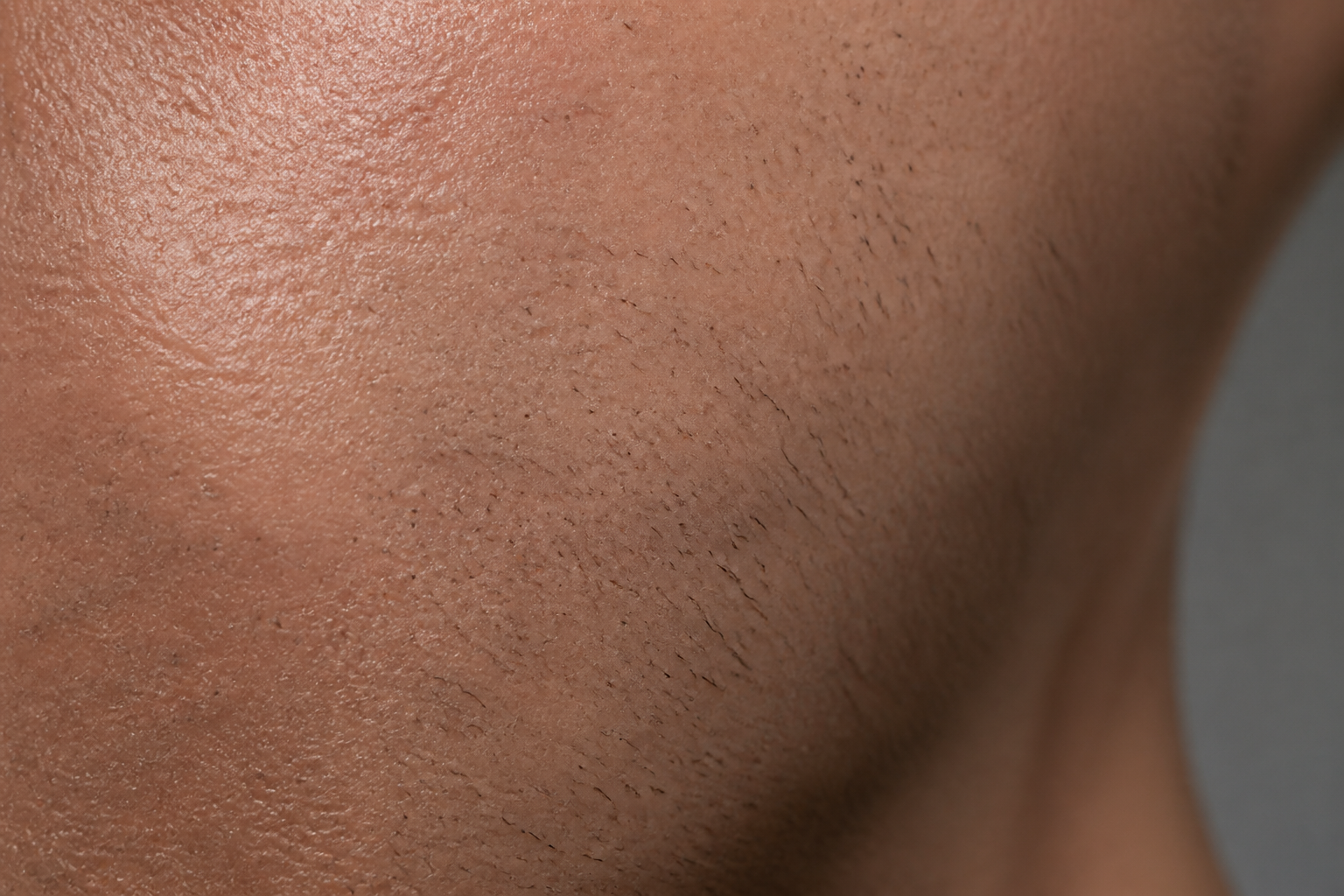
Male skin texture and subtle stubble detail
Ingredients have to return to real skin: tolerance, frequency, and consistency.
City glass, architecture, and hard reflected light
Different exposure patterns change ingredient priorities.

Antioxidant / Tone

Vitamin C

What it is: A topical antioxidant used to help with oxidative stress, dullness, uneven tone, and visible sun-related aging.

Where it comes from: The vitamin exists naturally in plants and food, but skincare formulas usually use manufactured ascorbic acid or more stable vitamin C derivatives made for cosmetic use.

Good standard: Look for L-ascorbic acid around 10-20% if your skin tolerates it, ideally in opaque or air-restrictive packaging. Gentler derivatives can make sense for sensitive skin, but the evidence is usually less direct.

Mainstream price range: About $15-$45 for mass retail serums; $60-$180 for prestige formulas.

Texture / Photoaging

Retinoids or retinol

What it is: A family of vitamin A-related ingredients used for texture, fine lines, clogged pores, and visible signs of photoaging.

Where it comes from: Retinol, retinal, adapalene, tretinoin, and other retinoids are manufactured vitamin A derivatives with different strengths and tolerability profiles.

Good standard: Beginners usually do better with low-strength retinol or retinal a few nights a week. Prescription tretinoin or adapalene can be more proven for acne and photoaging, but irritation control matters.

Mainstream price range: About $15-$45 for over-the-counter retinol products; $60-$120 for prestige formulas. Prescription cost varies widely by insurance and access.

Barrier / Oil Balance

Niacinamide

What it is: A form of vitamin B3 used for barrier support, oil balance, redness, uneven tone, and the look of enlarged pores.

Where it comes from: Niacinamide is made from vitamin B3 chemistry for skincare and is water-soluble, which is why it appears often in serums, moisturizers, and sunscreens.

Good standard: 2-5% is a smart range for many people. Higher percentages are common, but more is not always better, especially if several products in your routine already contain it.

Mainstream price range: About $8-$30 for common serums and moisturizers; higher-end formulas often sit around $40-$80.

Barrier / Dryness

Ceramides

What it is: Lipids naturally found in the skin barrier. In skincare, they help support moisture retention and reduce the dry, tight feeling that often comes from shaving, weather, or over-cleansing.

Where it comes from: Cosmetic ceramides are usually synthetic or bioengineered to mimic the lipids already found in the outer layer of skin.

Good standard: Look for ceramides in a leave-on moisturizer, ideally with cholesterol, fatty acids, glycerin, or other barrier-supporting ingredients.

Mainstream price range: About $12-$35 for mass retail moisturizers; $40-$80 for premium creams.

Oil / Clogged Pores

Salicylic acid

What it is: A beta hydroxy acid used for oily skin, clogged pores, blackheads, and recurring breakouts.

Where it comes from: It was historically associated with willow bark and wintergreen, but modern skincare salicylic acid is usually manufactured for consistency and purity.

Good standard: For face products, 0.5-2% is the common over-the-counter range. Leave-on products tend to be stronger-feeling than cleansers, so start slowly if you also shave or use retinoids.

Mainstream price range: About $8-$35 for cleansers, pads, or leave-on treatments.

Redness / Uneven Tone

Azelaic acid

What it is: A dicarboxylic acid used for redness, post-breakout marks, uneven tone, and acne-prone skin.

Where it comes from: Azelaic acid occurs naturally in grains such as wheat, rye, and barley and can also be produced by skin yeast, but skincare-grade azelaic acid is manufactured for stability and purity.

Good standard: Over-the-counter formulas are often around 10%. Prescription versions are commonly 15-20% and may be used for acne or rosacea under clinician guidance.

Mainstream price range: About $10-$40 for over-the-counter 10% products. Prescription pricing varies significantly by insurance, pharmacy, and country.

This page is educational, not medical advice. If you have persistent acne, rosacea, eczema, sudden irritation, or pigment changes, a dermatologist can help you choose the right strength and timing.

Article libraryReturn to the field guide and keep going by topic. Weekly noteJoin for clear notes on routines, ingredients, and skin stress.